HAŠK Mladost Participated in the Third QIS – All In Project Meeting in Brussels
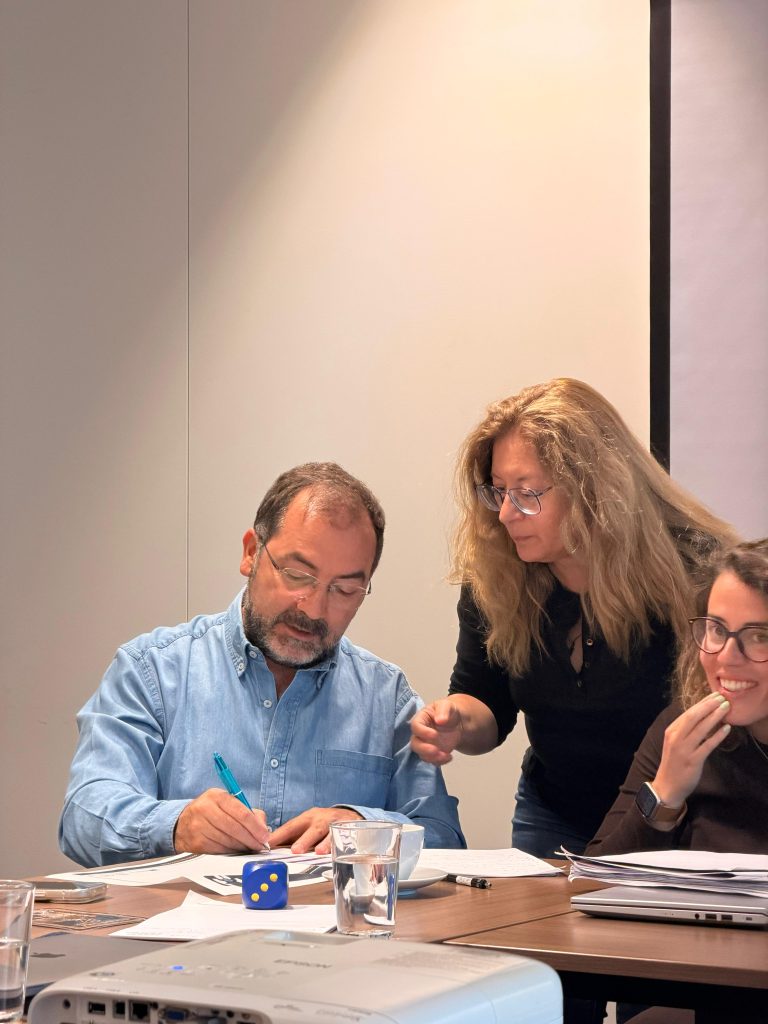
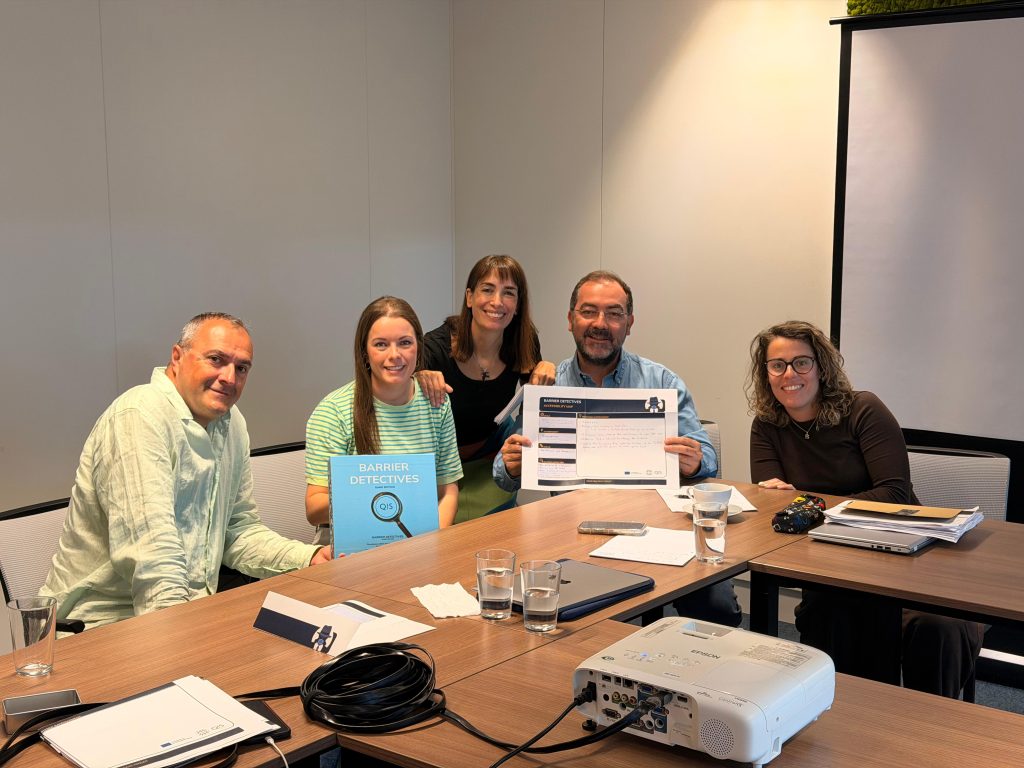
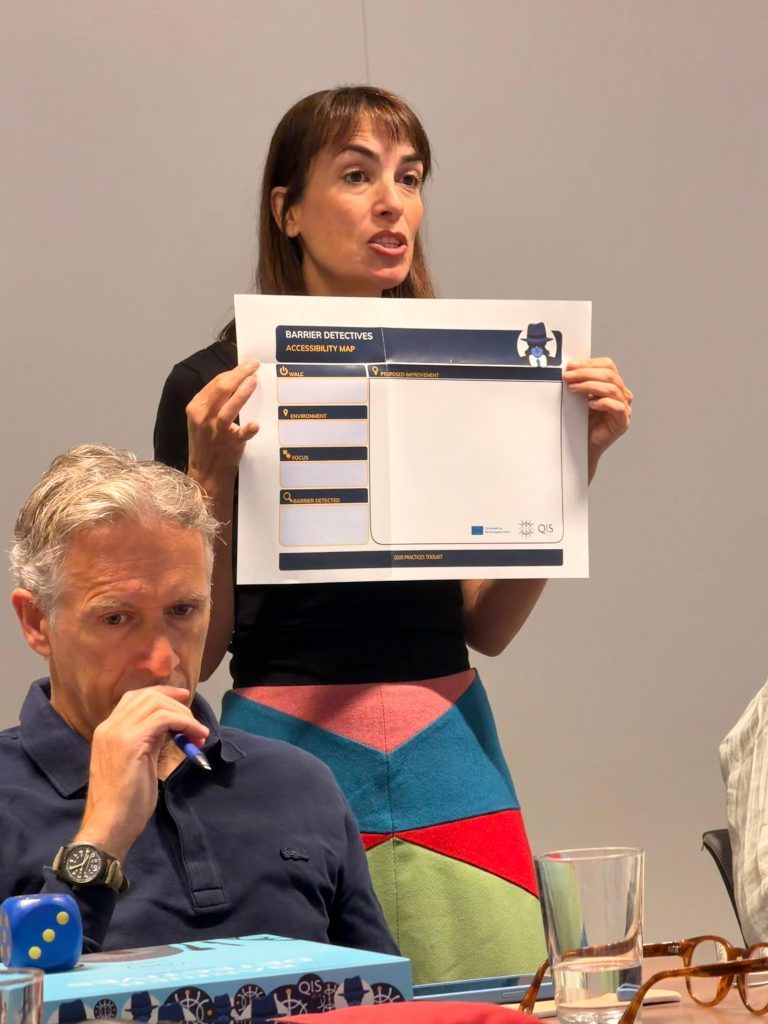
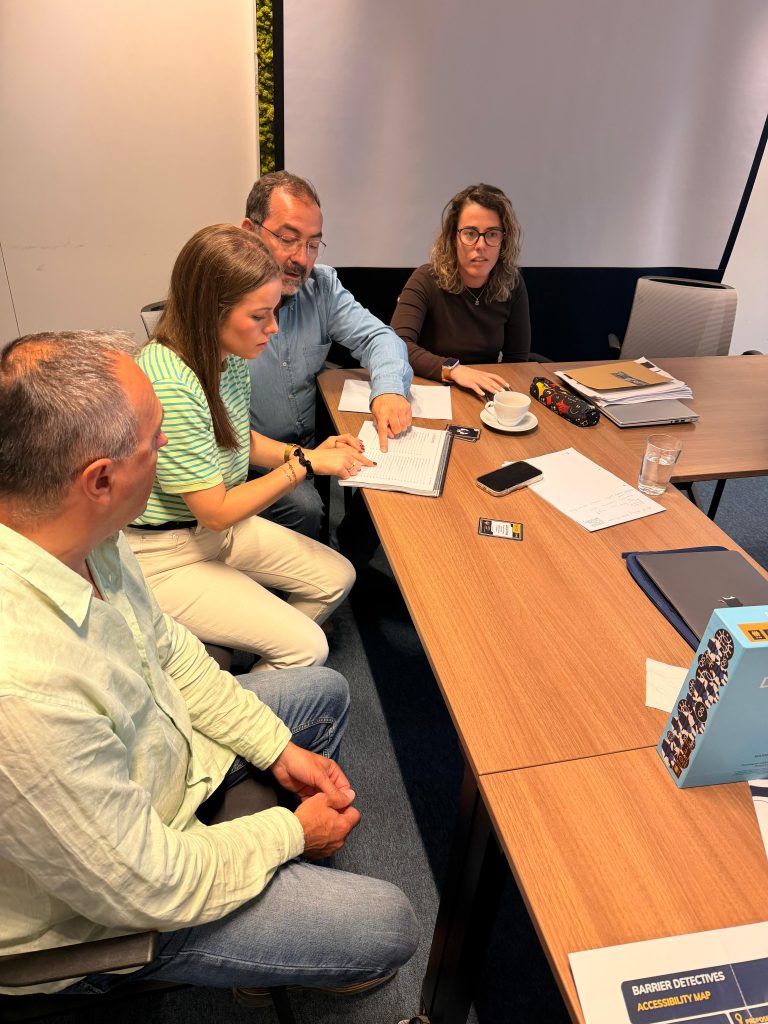
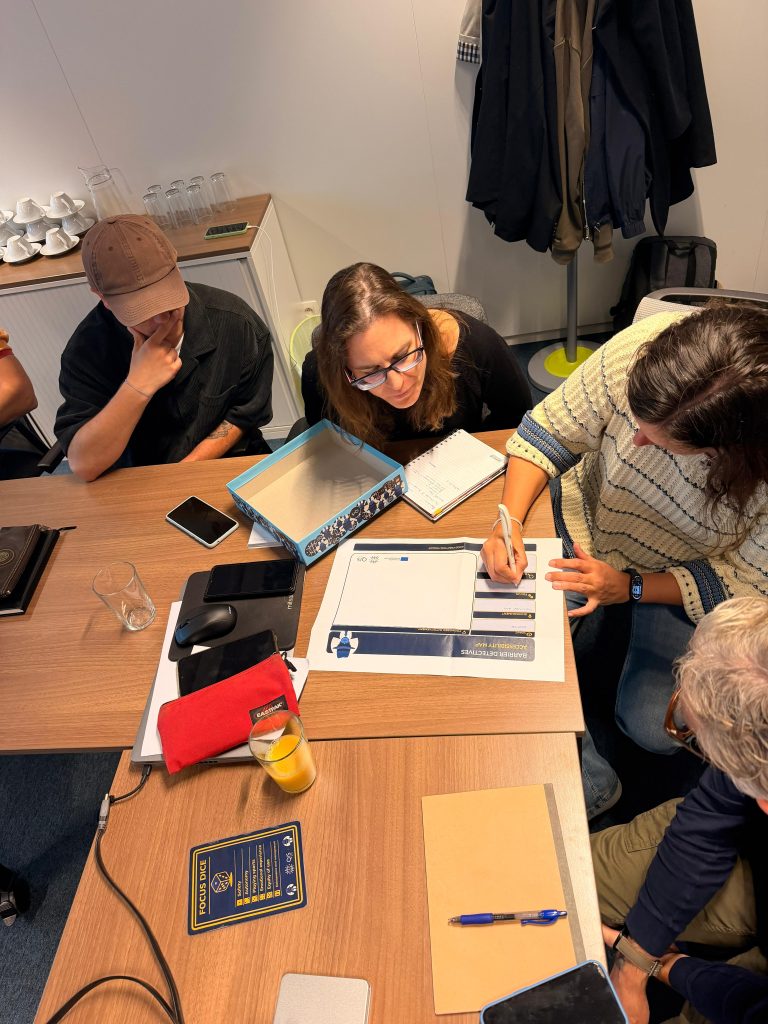
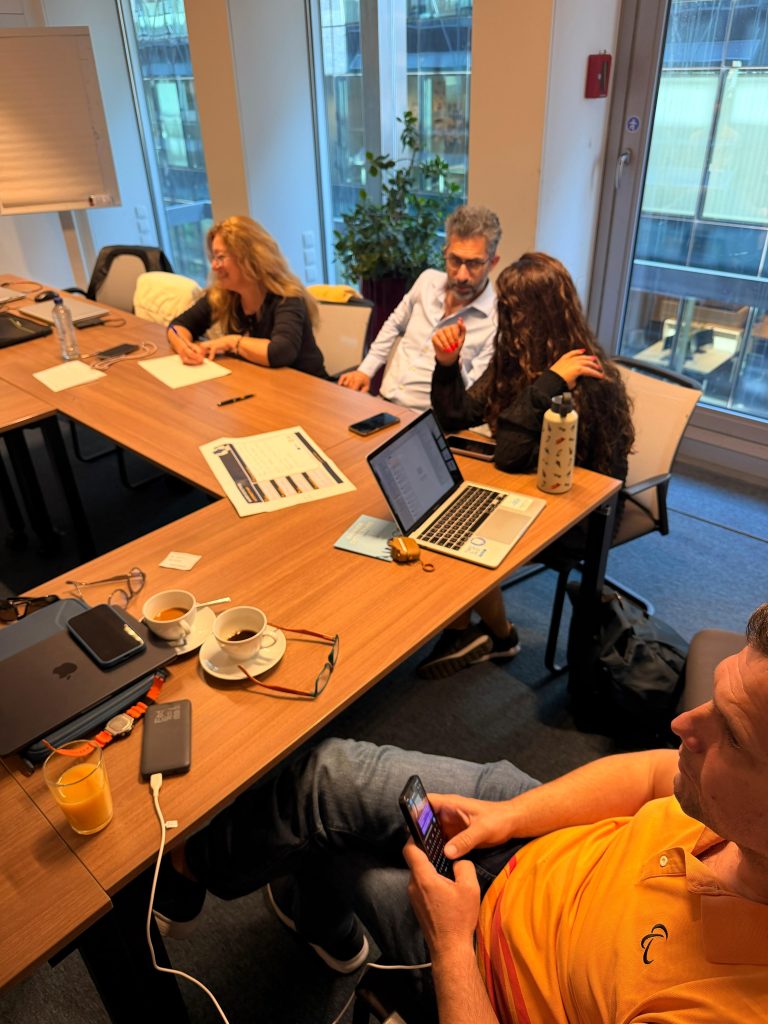
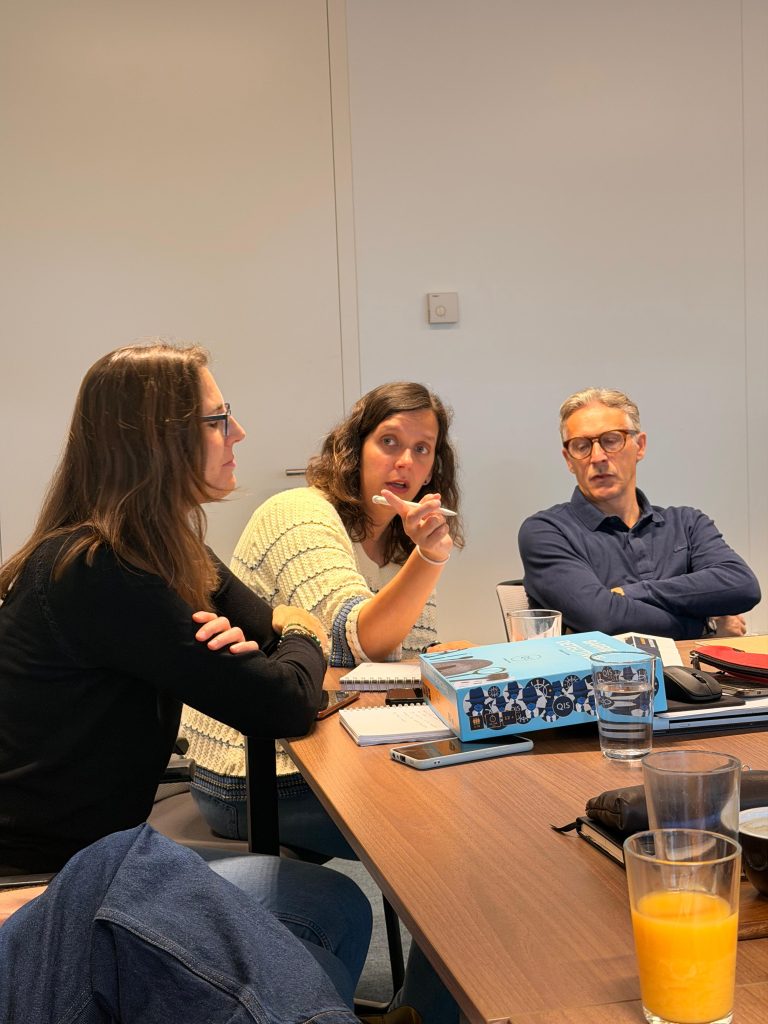
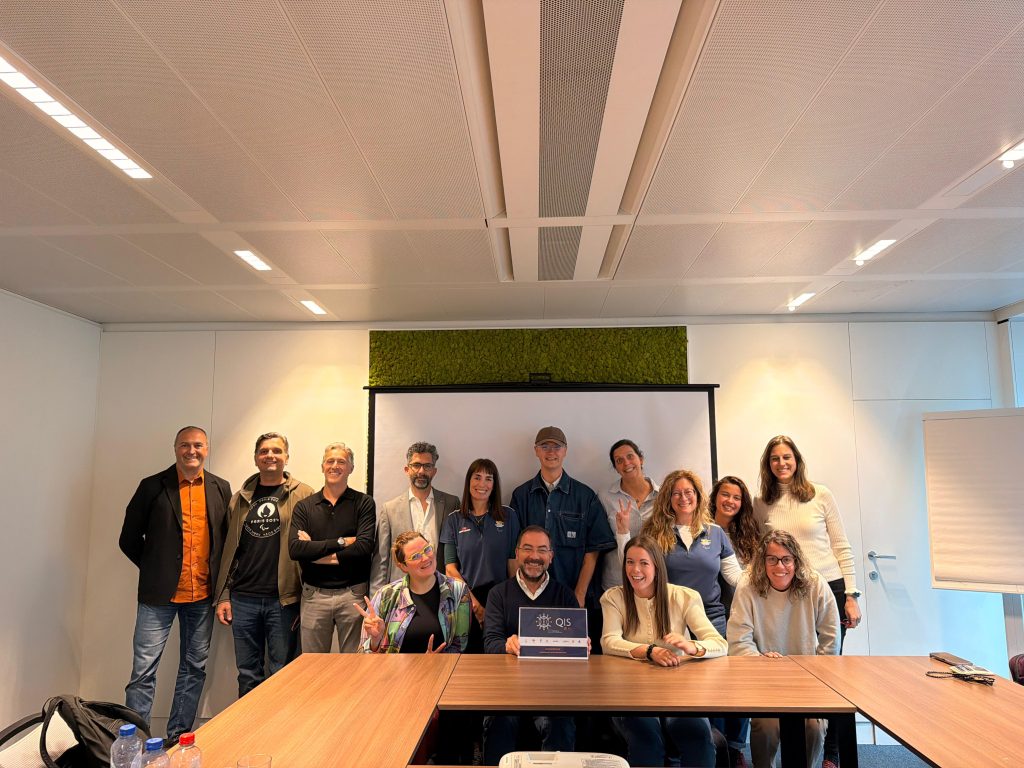
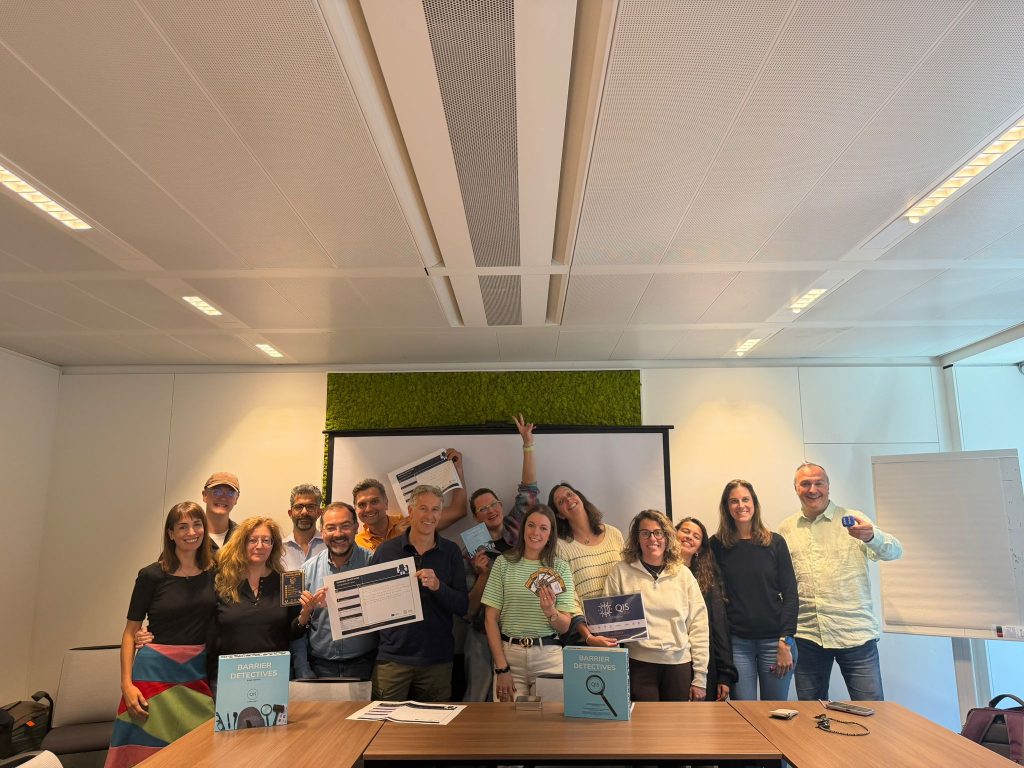
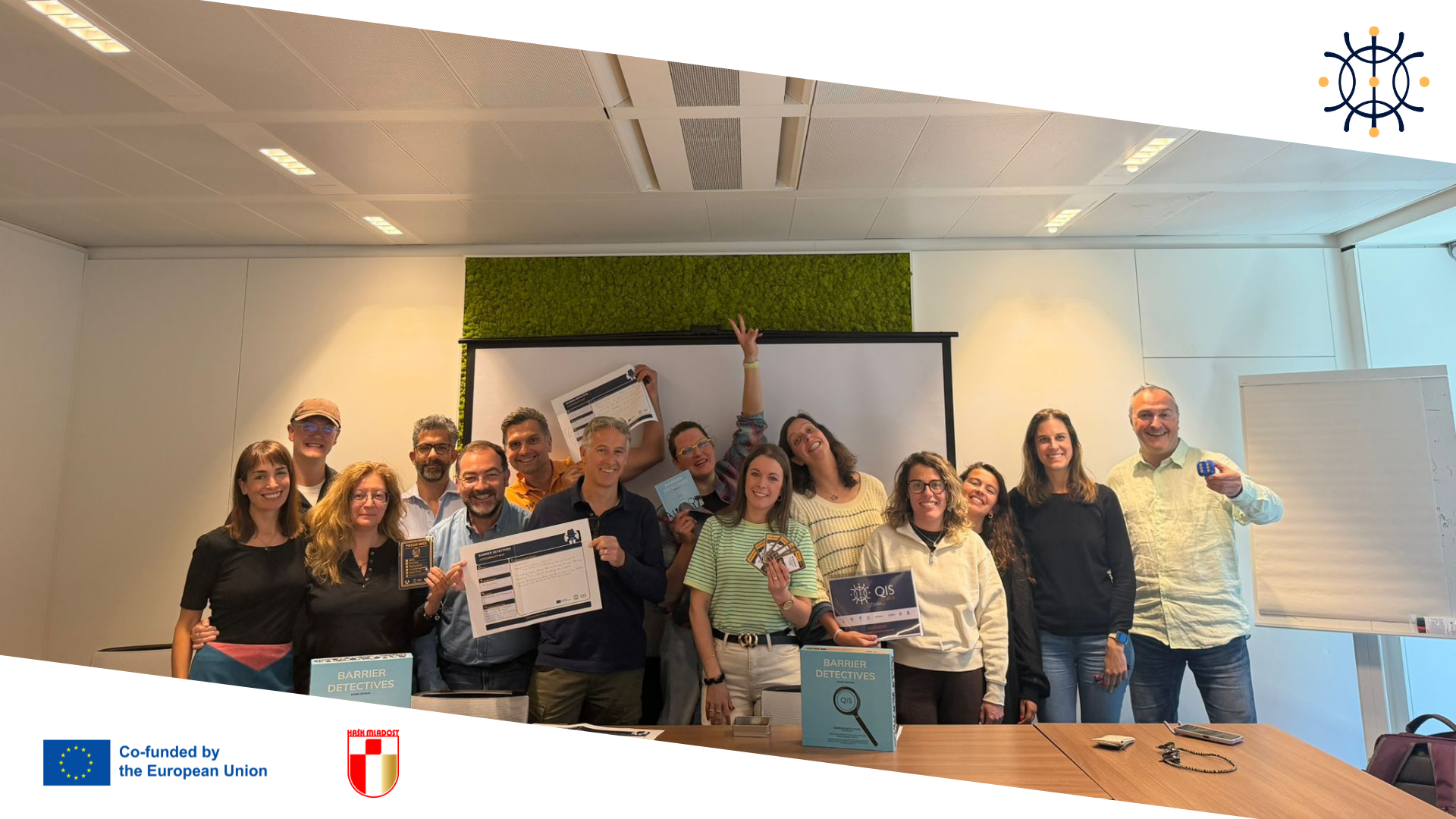
Representatives of HAŠK Mladost participated in the third Transnational Project Meeting (TPM) of the QIS – All In (Quality Indicators for Sport Accessibility and Inclusion) Erasmus+ Sport project, held on 29–30 April 2026 in Brussels, Belgium. Hosted by the European Multisport Club Association (EMCA), the meeting brought together partners from across Europe to review the project’s progress and continue the development of a European certification framework for accessible sports facilities.
Reviewing the project’s progress
The meeting opened with an overview of the project’s implementation and coordination activities, led by the project coordinator, the Portuguese Paralympic Committee (NPC Portugal). Partners reviewed the progress achieved across all work packages, aligned upcoming activities and confirmed the key milestones for the next phase of the project.
One of the important agenda items was the approval of the Conflict Resolution Plan, developed following recommendations from the project’s external mid-term evaluation. Although no conflicts have arisen within the consortium, the adoption of this document further demonstrates the partnership’s commitment to transparency, good governance and effective international cooperation.
Partners also agreed to update the project’s Risk Management Plan, ensuring that the consortium remains well prepared to address any future implementation challenges.
First draft of the QIS Handbook presented
One of the highlights of the meeting was the presentation of the first draft of the QIS – All In Handbook, developed by the Spanish Paralympic Committee (NPC Spain) as part of Work Package 2.
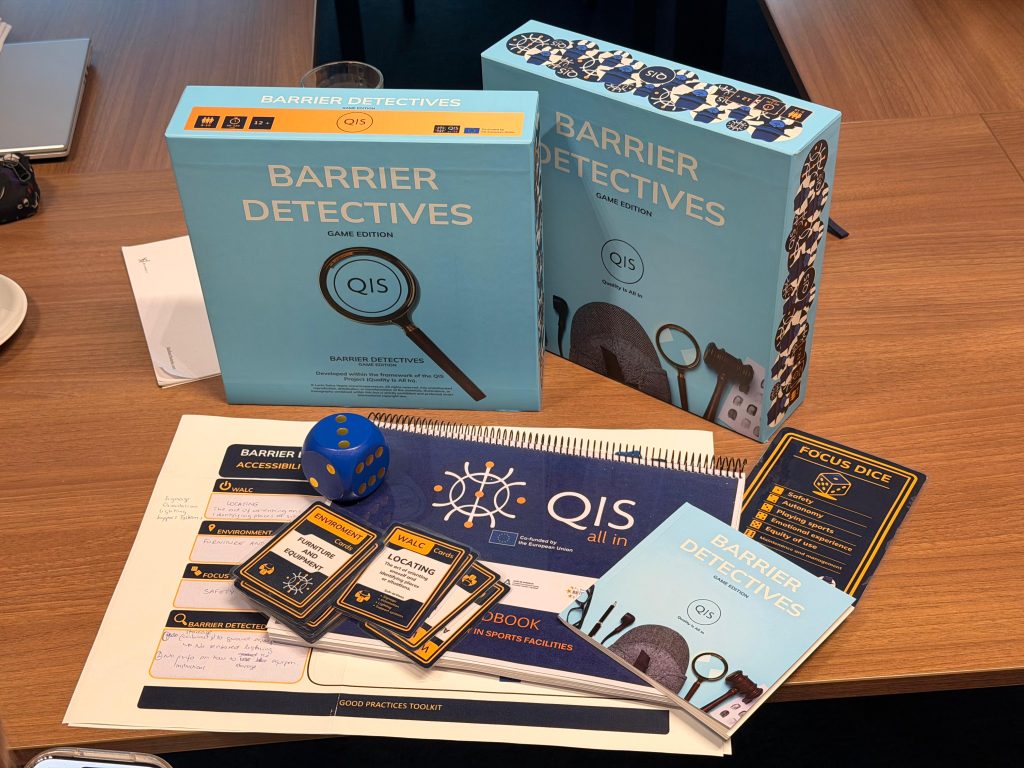
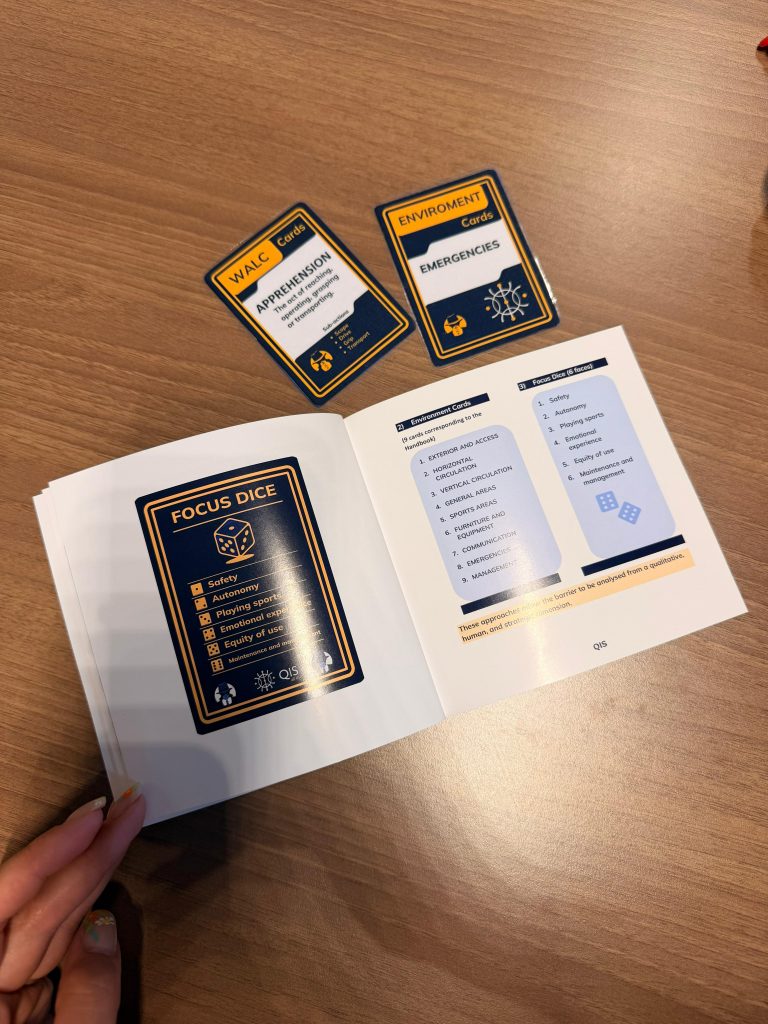
The handbook is one of the project’s key deliverables, bringing together existing accessibility standards, research findings and practical guidance that will form the foundation of the future certification framework for sports facilities.
During the meeting, partners also discussed the visual identity of the publication. HAŠK Mladost presented two graphic design proposals for the handbook, contributing to the development of its final layout and visual appearance.
The next stage of development will focus on collecting and documenting good practices from across Europe, providing sports organisations with practical examples of accessible and inclusive sports environments.
Developing the European certification framework
A substantial part of the meeting was dedicated to the development of the Inclusiveness Quality Certification system, one of the project’s main outputs.
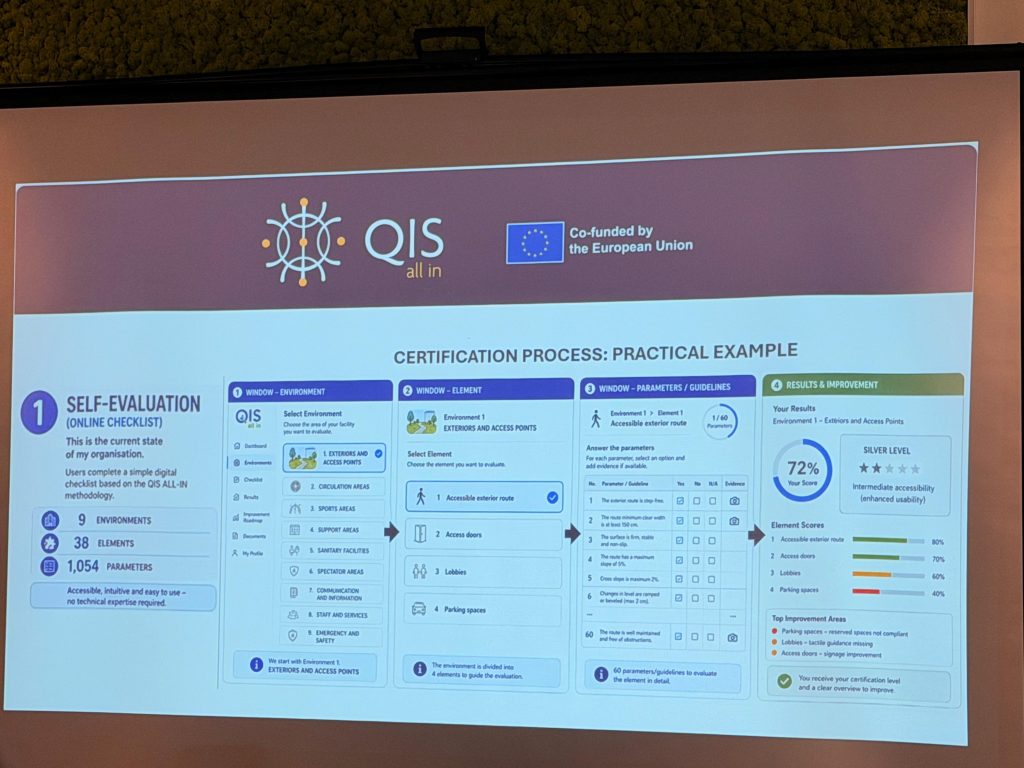
Partners presented the proposed certification structure and evaluation methodology, designed to help sports organisations assess the accessibility of their facilities and identify opportunities for improvement.
The certification framework is based on four key steps:
- Self-assessment
- Response and validation
- Results and evaluation
- Improvement pathway
Rather than focusing solely on compliance, the certification model aims to encourage continuous improvement and support sports organisations in creating more accessible and inclusive facilities.
Preparing for pilot testing
Partners also began preparations for the upcoming pilot phase of the project, scheduled to start in October 2026. During the meeting, the consortium discussed the selection of sports facilities that will participate in testing the certification framework in real-life environments.
The pilot activities will provide valuable feedback and ensure that the evaluation tool is practical, user-friendly and applicable to different types of sports facilities across Europe.
Looking ahead
The consortium will continue its work through regular online coordination meetings before gathering again for the next Transnational Project Meeting, which will take place on 16–17 October 2026 in Dubrovnik, Croatia. The meeting will focus on reviewing the progress of the certification framework and preparing for the official launch of the pilot testing phase.
Through its active participation in the QIS – All In project, HAŠK Mladost continues to contribute to the development of innovative European solutions that make sport more accessible, inclusive and welcoming for everyone.