Bili smo na Sport4Impact konferenciji u Milanu!
Milan, ITA, 17 April 2026 – For the fourth time EMCA participated in the Sport4Impact series of conferences devoted to the prosperity and development of the sport environment, specifically through impact investment. Impact investment is slightly different to ESG (Environmental, Social, and Governance) shifting the focus of the investment process to more measurable and sustainable goals for the society. It is particularly interesting for sport, as sport contributes in several key elements that are crucial to impact investment.
However, the sport system of Europe is generally not prepared to compete for these funds and investments, as they require a specific business logic that the average sport organisations (clubs, federations, associations…) do not have. They are lacking in structure and capacity to deal with this area. It would take time to generate the capacity, skills and personnel to be able to cope with these sector requirements.
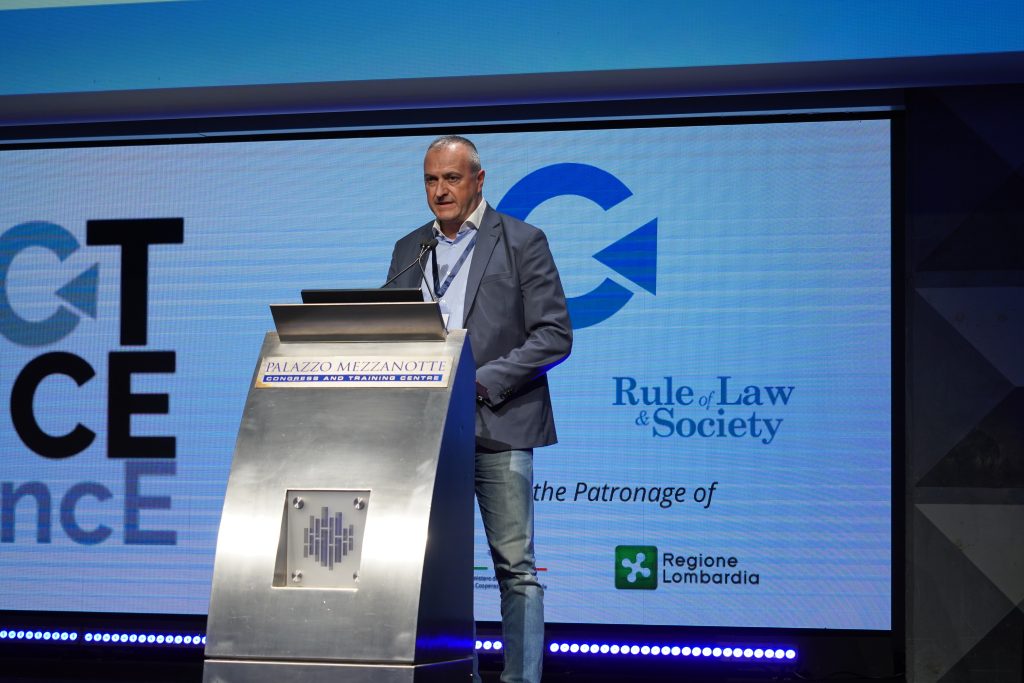
EMCA was represented with its development director – Bojan Mijatović – who had an intervention about the connection between multisport and impact investment. “Multisport clubs are probably the most sustainable organisations this world knows – from the administrative point of view, as the average EMCA club is around 100 years old. This has proven a historical and traditional sustainability that is resilient to the negative influences of the global, regional and local challenges, nowadays ever more so important. Probably the most vivid example is of the Croatian multisport club – HAŠK Mladost – that existed in six countries, without leaving its city, and soon to fill 125 years of continuous work in the field of sport.” But to make the case of sport as a credible partner – the component that should accompany any impact investment application – should be the inclusion of the element of integrity, showcasing that the strategy is aligned with the everyday operations. This could be the ID cart of sport organisations.
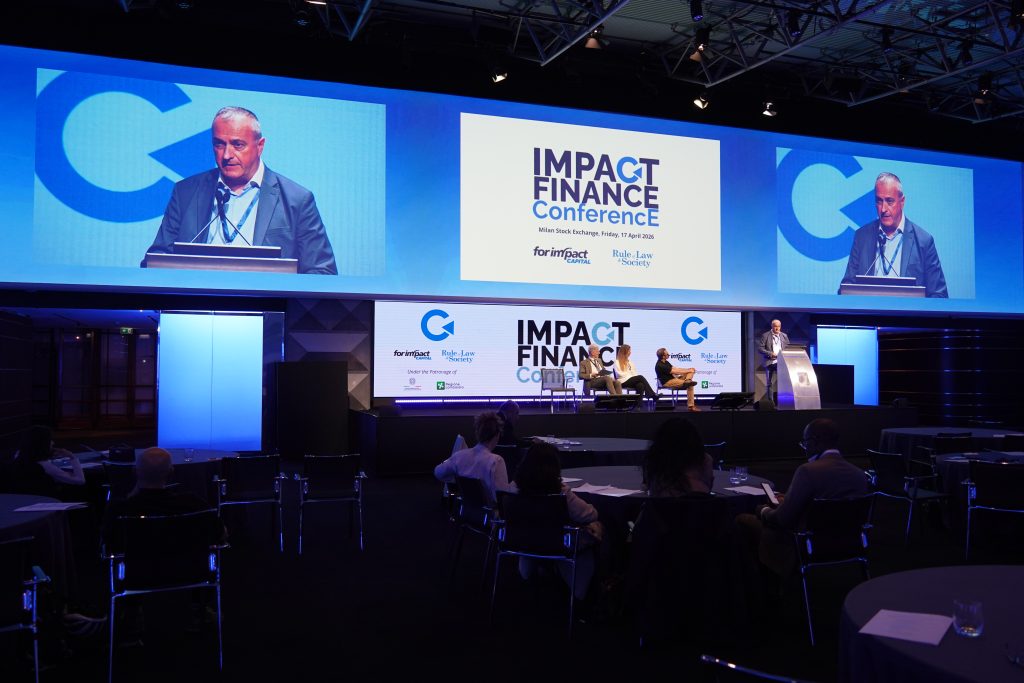
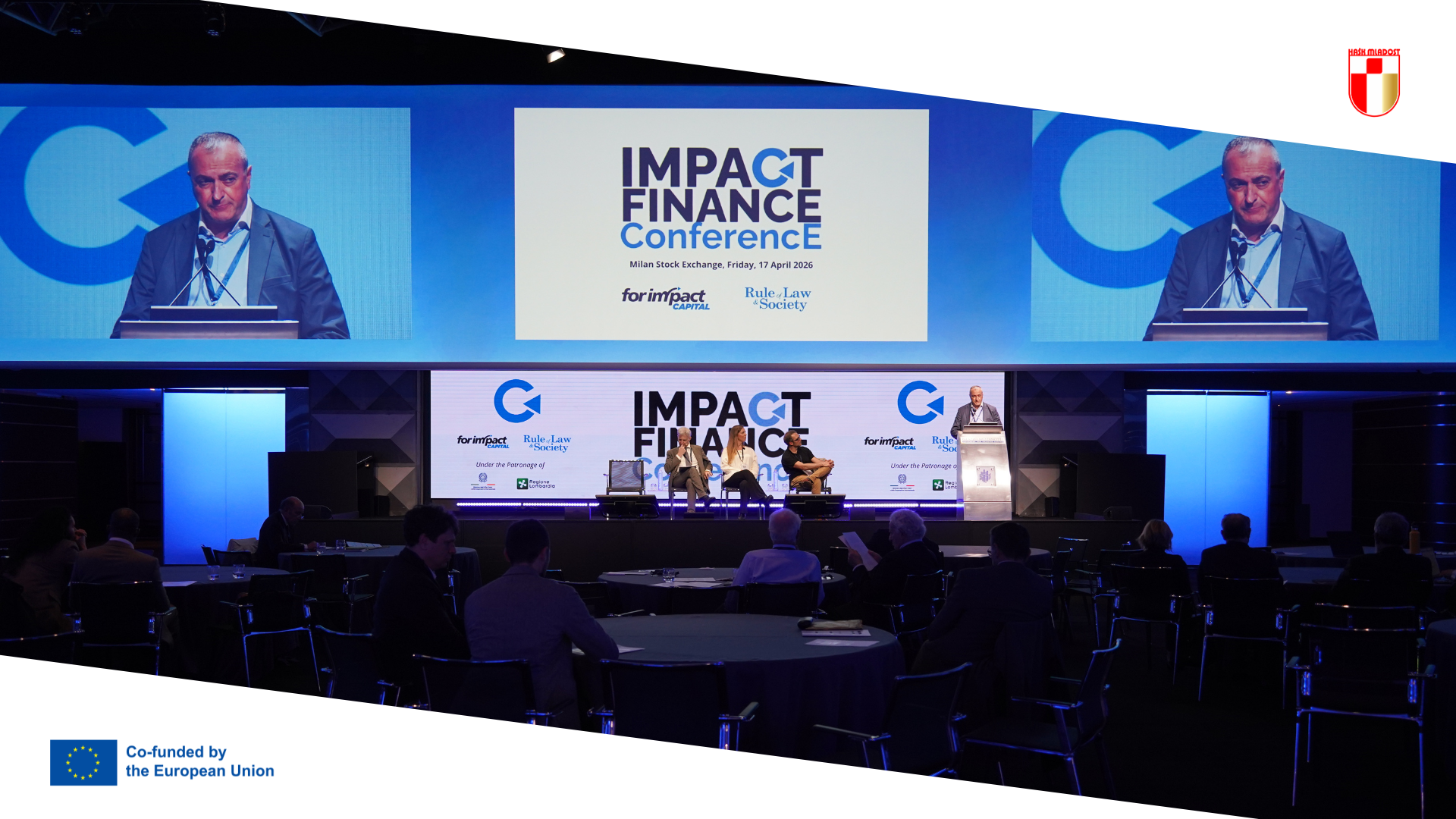
Panel discussion in which HAŠK Mladost participated.
In Milan, we witnessed numerous inspiring examples that bring additional optimism to the sports sector, providing clear evidence of how sports communities can design coherent measures, develop new strategies, and raise awareness about the way they are managed. The key message of the conference was certainly that governance is a crucial component on which sports organisations must focus in order to be prepared and competitive in the field of impact investment.
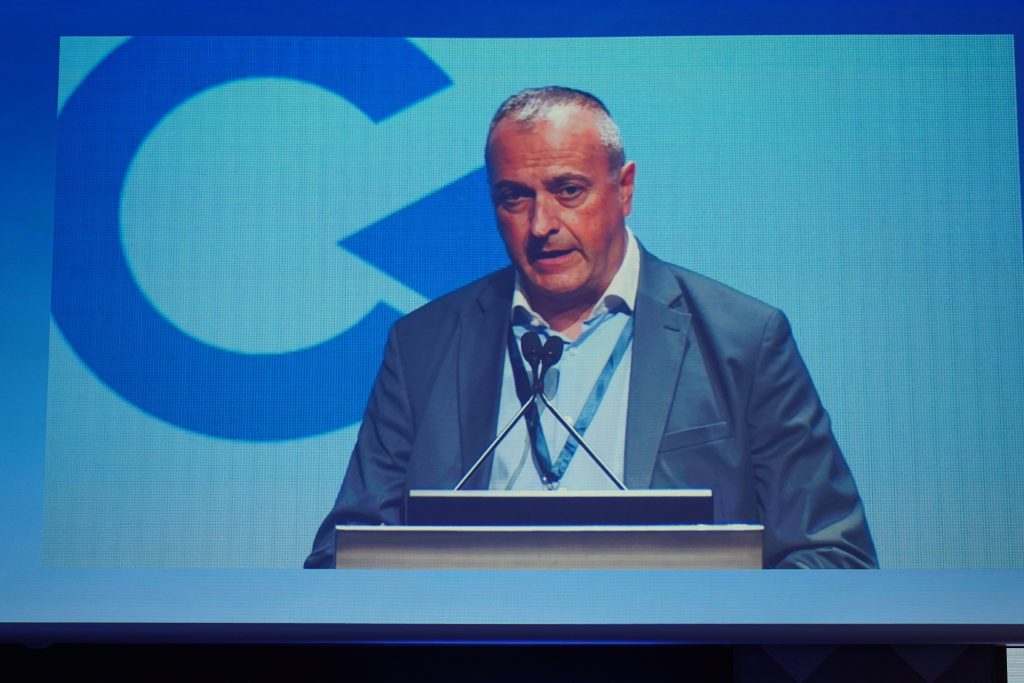
“Integrity as the Identity Card of Sports Organisations in the Competition for Impact Investment Resources” was the topic presented by the Director of HAŠK at the conference.